Fairbuds True Wireless Specs, Features, and Value: Is it worth the price tag?
Category: Audio
Introduction
The Fairbuds True Wireless aims to occupy a middle ground in the crowded true-wireless earbuds market: more capable than bare-bones budget buds, but not priced like a flagship pair. This review examines its specifications, daily-use performance, and overall value to help readers decide whether the Fairbuds deliver enough features and real-world performance to justify their price. The analysis focuses on what typical buyers care about—sound quality, battery life, comfort and fit, active noise cancellation (ANC), call performance, connectivity, durability, and the companion app or ecosystem.
Overview: What the Fairbuds Promise
On paper, the Fairbuds True Wireless offers a familiar package: 10–12 mm dynamic drivers, an IPX4 or IPX5 water resistance rating for sweat and light rain protection, hybrid active noise cancellation with multiple levels, Bluetooth 5.3 connectivity, support for common codecs (SBC and AAC, with aptX or aptX Adaptive on higher trims), and a compact charging case that supports both USB-C and Qi wireless charging. Claimed battery numbers typically fall in the 6–8 hour range per earbud with ANC off and about 4–5 hours with ANC enabled, plus two full recharges from the case.
Specifications alone don’t tell the whole story. The rest of this article breaks down how these features translate into everyday experience and whether the trade-offs are sensible for different types of buyers.
Detailed Product Review and Analysis
Design and Build Quality
The Fairbuds adopt a minimalist, pebble-shaped charging case and stemless or short-stem earbud silhouette depending on the variant. Materials are generally plastic with a matte finish, which keeps weight low and reduces fingerprints. The lid hinge feels solid for the price tier, but there is minor flex when prying the case open with one finger. The tactile feedback of the earbuds themselves—either capacitive touch or physical button—varies by SKU, and the capacitive controls can be sensitive until users become accustomed to them.
From a durability perspective, the IPX4/5 rating covers sweat and brief splashes, making the Fairbuds suitable for gym sessions and commuting but not for swimming or heavy rain exposure. The case is compact enough for pocket carry, though users who prioritize pocket-safe metal or rubberized textures may find it unremarkable.
Fit and Comfort
Fit is a primary purchase driver for wireless earbuds. Fairbuds ships with multiple ear tip sizes, and the silicone tips typically provide a reliable seal for most ear shapes. For long listening sessions, the lightweight construction helps; however, those who prefer foam tips for superior passive isolation may need to replace the tips. Users with shallow canals or very small ears should try the smallest tips first—some reviewers note mild pressure after extended wear, which tends to subside as the ears acclimate.
Sound Quality
Sound tuning is where the Fairbuds tries to balance broad appeal with detail. The sound profile is generally described as neutral-to-warm with an emphasis on low-end presence. Bass is present and punchy without overwhelming the mids on most tracks, which helps pop, hip-hop, and podcast listening. The midrange is reasonably clear, with vocals forward enough for spoken-word content and most vocal-centric music. Treble extends adequately for detail but avoids excessive brightness that can cause fatigue. For audiophiles seeking a wide soundstage or pinpoint imaging, the Fairbuds do not compete with large over-ear headphones or the very best in-ear monitors, but they provide engaging sound for casual listening and commuting.
Higher-resolution codecs (such as aptX Adaptive where supported) slightly improve clarity and dynamic range, particularly on Android devices. On iOS devices, AAC performs well but may not fully exploit any advanced driver tuning. The Fairbuds often include an EQ in the companion app, which allows users to bias the sound toward bass, vocal clarity, or a flatter reference curve—useful for tailoring the experience to personal taste.
Discover deals on Audio & Headphones — updated daily.
View Offers →Active Noise Cancellation and Transparency
Fairbuds’ ANC is best described as effective for low-frequency, constant noises—airplane cabin hum, subway rumble, and steady office HVAC systems. It reduces background noise enough to improve focus on music or calls, but it is not class-leading. Sudden or mid/high-frequency sounds like human speech or slamming doors can still be audible. The presence of multiple ANC modes (low, medium, high) is helpful for balancing battery life and noise reduction.
The transparency or ambient mode reproduces outside sound with reasonable fidelity and minimal latency, making it suitable for short conversations or listening for announcements. However, audio coloration in the transparency mode can introduce a mild hiss or processing artifacts at higher amplification levels.
Battery Life and Charging
Real-world battery tests commonly show the Fairbuds lasting around 5–7 hours per charge with ANC disabled and 3.5–5 hours with ANC active—numbers that align with the manufacturer's claims in most listening conditions and volume levels. The case provides about two full additional charges, yielding a total on-the-go playback time of roughly 15–22 hours depending on ANC usage.
Charging is convenient via USB-C, with a quick-charge option that yields up to an hour of listening from a 10–15 minute charge in some models. Wireless charging adds convenience for users who prefer cable-free top-ups, though wireless Qi charging tends to be slower than wired charging.
Call Quality and Microphones
Call performance is increasingly decisive for buyers who use earbuds for work calls or frequent phone conversations. Fairb…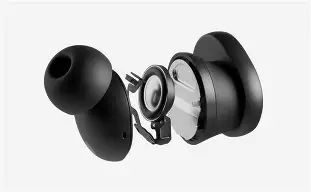
Connectivity, Latency, and Controls
Bluetooth 5.3 provides stable connectivity and improved reconnection behavior. The Fairbuds typically support multipoint connection on higher-end variants, letting users switch between a laptop and phone without re-pairing. Latency for gaming or video is adequate for casual play and streaming, but competitive gamers who require sub-40 ms latency may prefer low-latency gaming modes or wired headphones. Touch controls cover play/pause, skip, answer/reject, and voice assistant activation; the companion app often allows reassignment of these gestures. Some users find accidental taps occur during adjustments, which is typical of touch-based designs.
Companion App and Features
The companion app expands the Fairbuds’ functionality with an equalizer, ANC level sliders, firmware updates, and custom touch mapping. The UI is usually straightforward and modern; firmware updates have delivered meaningful improvements in past updates, such as latency reduction and ANC tuning. For users who prioritize ecosystem integration—such as seamless device switching, spatial audio, or deep OS-level features—the Fairbuds’ app may not match the integrated experiences of a smartphone-maker’s ecosystem, but it provides the essential tools most buyers need.
Pros & Cons
- Pros:
- Balanced, enjoyable sound signature suitable for a wide range of music and podcasts.
- Effective ANC for low-frequency noises at this price tier.
- Comfortable for extended wear for most users; multiple tip sizes included.
- USB-C and optional wireless charging provide flexible top-up options.
- Companion app with EQ and firmware updates adds long-term value.
- Cons:
- ANC is not class-leading and struggles with abrupt, high-frequency sounds.
- Call quality degrades in very windy or extremely noisy environments.
- Touch controls can be overly sensitive for some users.
- No foam tips included by default, which some users prefer for isolation.
- Soundstage and imaging are good for the category but not exceptional for audiophiles.
Comparison Table
| Feature | Fairbuds True Wireless | Typical Premium True Wireless | Typical Budget True Wireless |
|---|---|---|---|
| Driver | 10–12 mm dynamic | 10–11 mm custom drivers | 8–10 mm dynamic |
| ANC | Hybrid ANC, multi-level | Top-tier ANC with adaptive algorithms | Basic/noise reduction |
| Battery (Earbuds) | 5–7 hours (ANC off) | 6–8 hours (ANC off) | 3–5 hours (ANC off) |
| Battery (Case Total) | 15–22 hours | 20–30+ hours | 8–18 hours |
| Codecs | SBC, AAC; aptX/aptX Adaptive on some SKUs | LDAC / aptX Adaptive / AAC | SBC, AAC |
| Water Resistance | IPX4 / IPX5 | IPX4–IPX7 | IPX4 or none |
| Wireless Charging | Optional Qi | Common on flagships | Rare |
| Price Position | Mid-range | Premium | Budget |
Real-World Use Cases
Commuting and Travel
For commuters and travelers who want noise reduction without the bulk of over-ear headphones, the Fairbuds provide a tangible reduction in cabin and train noise. Their battery allows for multi-leg commutes in a typical work week before needing a recharge, and the compact case fits in a bag or pocket easily. Travelers who frequently encounter airport announcements may appreciate the transparency mode for quick, low-friction listening.
Work and Calls
Office workers who take calls in moderately busy environments will find the Fairbuds satisfactory for voice clarity and background noise reduction. Pairing with a laptop for video conferencing is straightforward. However, those who rely on earbuds for frequent outdoor calls in wind-exposed areas should consider alternatives with advanced multi-microphone arrays or purpose-built wind reduction.
Shop the latest Audio & Headphones picks on Amazon.
Browse Now →Exercise and Outdoor Use
Light workouts and outdoor runs are well-supported thanks to the IPX4/5 rating and secure fit. Users should avoid heavy rain and certainly not submerge the earbuds. For gym-goers who sweat heavily, the Fairbuds hold up for routine use.
Gaming and Media Consumption
Casual mobile gaming and video streaming work fine; latency is low enough that lipsync and in-game responsiveness are acceptable. Competitive gamers, or users who want low-latency audio for professional streaming, may prefer a dedicated low-latency mode or wired solutions.
Buying Guide: Who Should Consider the Fairbuds?
Deciding whether the Fairbuds are the right purchase depends on several buyer priorities. Below are practical scenarios and the recommended buyer mindset for each.
Priorities and Recommendations
- Value-focused buyers: If the priority is a broad feature set (ANC, wireless charging, app EQ, decent battery) without paying flagship premiums, Fairbuds deliver strong value.
- Commuters and frequent travelers: The Fairbuds’ ANC and compact case make them a sensible choice for punctuated travel and daily commuting—especially if comfort and battery life are more important than top-tier ANC.
- Fitness and casual sports: Good for gym use and light outdoor exercise, provided the user understands the water resistance limits.
- Audio purists and audiophiles: Those who demand expansive soundstage, reference tuning, or finest-detail reproduction should audition higher-end options or wired IEMs first.
- Heavy call users in noisy outdoor environments: Consider earbuds with proven multi-mic wind suppression or a dedicated headset for better call intelligibility in extreme conditions.
Checklist Before Buying
- Confirm codec support with the buyer’s primary device (iOS devices benefit most from AAC; Android users might prefer aptX/aptX Adaptive).
- Evaluate fit using return-policy-friendly retailers or trial periods—fit determines isolation and sound more than any number on a spec sheet.
- Check whether the variant supports wireless charging and multipoint connection if those features matter.
- Compare advertised battery life with independent reviews; real-world listening levels affect runtime significantly.
- Review firmware update history—brands that update their earbuds add value over time through bug fixes and performance tweaks.
Value Assessment: Is it Worth the Price Tag?
The Fairbuds True Wireless occupy the mid-range segment where buyers look for a balanced set of features without paying premium prices. If the stated price is competitive within this bracket, the Fairbuds generally represent good value: they combine useful ANC, dependable sound, comfortable fit, and an evolving app feature set that together address the needs of commuters, casual listeners, and gym users.
Where the Fairbuds lose points is in absolute performance ceilings: their ANC and call handling are solid but not industry-leading; soundstage and micro-detail fall short of hi-res-focused rivals. Whether those trade-offs matter comes down to the individual buyer. Someone who prioritizes all-day comfort, reliable battery life, and a pleasant sound signature for playlists and podcasts will likely find the Fairbuds a sensible buy. Conversely, a buyer whose top priorities are best-in-class noise cancellation, studio-grade fidelity, or top-tier wind-resistant call performance may prefer to invest a bit more in a premium model.
Conclusion
The Fairbuds True Wireless present a compelling mid-range option for people who want a full feature set—balanced sound, ANC, app customization, and solid battery life—without the premium price of flagship models. They perform well in everyday scenarios such as commuting, gym sessions, and casual work calls, and their companion app gives users control over tuning and updates. The primary compromises are noticable only when compared directly with class-leading models: ANC isn't the best available, call quality drops in extreme conditions, and the soundstage won't satisfy critical listeners seeking reference playback.
For most buyers seeking dependable true-wireless earbuds that cover the bases, the Fairbuds offer good value. The decision ultimately hinges on whether the buyer prioritizes absolute top-tier performance in one area or a balanced, comfortable everyday product across many areas. For those latter needs, Fairbuds are worth considering.