Jbl Grip Specs, Features, and Value: Is it worth the price tag?
The Jbl Grip arrived as a compact, rugged contender in the crowded portable speaker market, promising a blend of power, durability, and modern conveniences such as ambient lighting and app-driven sound tuning. This article examines the Grip’s specifications and features, evaluates real-world performance across common use cases, compares it to typical alternatives, and offers a practical buying guide to help readers decide whether the Grip represents good value for their needs.
Introduction: where the Grip sits in the market
The Jbl Grip is positioned as an ultra-portable outdoor speaker with lifestyle-focused extras. It targets users who want more robustness and personality than an ultra-compact tube speaker but who do not need the full party-level output and battery of a large “boombox” model. Key selling points include IP68-rated durability, a bright integrated lighting system, an AI-based sound optimization feature, and app control. That combination makes the Grip attractive for active buyers who move between environments—commuters, cyclists, hikers, small-group outdoor socializers, and those who like distinctive design and lighting as part of their speaker’s appeal.
Official specifications and notable features
- Audio output: 16 W (mono) JBL Pro Sound with a full-range driver
- Frequency response: approximately 70 Hz–20 kHz
- Battery life: up to around 12 hours typical playback; advertised Playtime Boost options extend usable time modestly
- Charging: USB-C charging, roughly 3 hours to full (depends on charger)
- Bluetooth: Bluetooth 5.4 for wireless connectivity
- Ingress protection: IP68-rated—waterproof and dustproof
- Drop protection: Designed to withstand drops (manufacturer states up to a 1 m drop onto concrete)
- Lighting: Integrated ambient light panel with multiple color themes and adjustable brightness through the app
- Materials & sustainability: Uses post-consumer recycled plastics and fabric elements; FSC-certified paper packaging
- Form factor: Cylindrical “can” shape with rope loop for attachment and carrying
- Other: No built-in microphone for calls or voice assistant use; app-based EQ and firmware updates via JBL Portable app
Detailed analysis: sound, build, battery, and software
Sound quality and real-world performance
On paper, a single 16 W mono configuration places the Grip in the compact speaker category—meant to deliver clear, punchy sound at near-field listening distances rather than thundering party bass across a lawn. In real-world listening, the Grip tends to emphasize clarity and presence: vocals sit forward, treble remains articulate, and mid-bass is present enough to make genres like pop, indie, and electronic sound lively. The speaker is less weighty on sub-bass than larger, dual-driver party speakers—low frequency extension is limited by the small enclosure and mono output.
JBL’s “AI Sound Boost” adaptive algorithm is effective at keeping distortion in check at high volumes. For backyard gatherings, bike rides, or shower playlists, the Grip reaches comfortably loud levels without harsh distortion. For buyers who want room-filling low end for larger outdoor gatherings, the Grip will underperform compared with larger JBL models designed for high-output bass.
Build quality and durability
Durability is a genuine selling point. The IP68 rating means the device can survive immersion and keeps dust out—beneficial for beach days, dusty trails, and rainy commutes. The manufacturer’s drop-tested claims add confidence for active buyers who clip the speaker to a backpack or toss it in a daypack. The cylindrical shape and rope loop are practical: the loop is strong enough for hanging from a bike frame or backpack strap, and the size makes it pocketable in some daypacks.
Battery life and charging
Battery life is competitive for the class. Around 12 hours of typical playback is realistic with moderate listening levels and ambient lighting off or dimmed. With the light panel at high brightness and very loud listening, battery runtime will shorten noticeably. Fast, convenient USB-C charging is standard and adds practical convenience since most users already carry USB-C chargers.
Software, app control, and ecosystem
The JBL Portable app unlocks several practical features: a customizable 7-band EQ, light theme selection and brightness control, multi-speaker pairing where supported, and firmware updates. For buyers who like to tailor sound or sync light themes to a mood, the app elevates the user experience. The absence of a built-in microphone means the Grip is not suitable as a speakerphone or hands-free smart device—buyers who expect voice assistant integration should look elsewhere.
Looking for the best Audio & Headphones deals on Amazon?
Shop Amazon →Real-world use cases and who the Grip is best for
- Outdoor day trips and beach visits: IP68 protection allows worry-free use near water and sand. The light panel is a social feature for evening gatherings.
- Bike rides and commuting: The compact form and rope loop make attachment straightforward; Bluetooth 5.4 helps maintain a stable connection when paired to a phone carried on the person.
- Small-group outdoor gatherings: The Grip provides enjoyable sound for groups of a few people; its lighting adds ambiance.
- Home desktop and room listening: For a personal desk or kitchen, the Grip offers clear sound and fun lighting without overwhelming a small room.
- Not ideal for parties or audiophiles seeking deep bass: Buyers who want big low-end impact or stereo separation will prefer larger or stereo-capable options.
Pros & Cons
- Pros:
- Rugged IP68 design—waterproof, dustproof, and drop-resistant for active use
- Compact, lightweight, easy to attach to bags and bikes
- Integrated ambient lighting that’s customizable through the app
- AI Sound Boost helps maintain clarity at higher volumes
- USB-C charging and a realistic all-day battery for moderate use
- Eco-conscious materials and packaging
- Cons:
- Mono output limits stereo imaging and overall loudness potential
- Limited deep bass compared with larger portable JBL models
- No built-in microphone for calls or voice assistant interaction
- Lighting and maximum volume can reduce battery life noticeably
Comparison: How the Grip stacks against typical alternatives
To place the Grip in context, the table below compares the Grip to two common classes of portable speakers: compact tube-style speakers and larger, long-battery “powerbank” party speakers. This aims to highlight where the Grip’s strengths lie and where trade-offs exist.
| Characteristic | Jbl Grip | Typical Compact Speaker (e.g., tube/Flip-like) | Typical Power/Party Speaker (e.g., charge/party-like) |
|---|---|---|---|
| Primary focus | Durability + portable party/personal use with lighting | Pure portability and convenience for one-person listening | Max loudness, extended bass, and long battery life |
| Output & imaging | Mono 16 W—good clarity, limited stereo | Mono/compact stereo—balanced for near-field | High wattage, fuller bass, often stereo options |
| Durability | IP68 + drop protection | Often water-resistant (IPX7) but less dust protection | Typically water-resistant, rugged designs vary |
| Battery life | ~12 hours typical | 8–12 hours typical | 15+ hours common |
| Extras | Ambient light, app EQ, AI sound tuning | Some have EQ and pairing; fewer have lighting | Enhanced bass modes, sometimes powerbank charging |
| Best for | Active users who want durability and personality | Commuters and light travelers | Large gatherings and bass-focused listeners |
Buying guide: what to consider before purchasing the Grip
Prospective buyers should weigh a handful of practical considerations when deciding whether the Jbl Grip fits their lifestyle.
1. Primary use case
Define where the speaker will be used most. For daily outdoor use—beach, hiking, biking—the Grip’s ruggedness and form factor are ideal. If the speaker will be stationary at home or used for large parties, a bigger speaker with stereo drivers and deeper bass might be a better fit.
2. Sound priorities
If tight, clear mids and a lively top end are priorities, the Grip performs well. If deep bass or stereo separation is essential—fo…3. Durability and weather resistance
Buyers who frequently expose electronics to water, sand, or dust will appreciate the Grip’s IP68 rating. When use includes drops or rough handling, the Grip’s drop protection and rope loop design are practical advantages.
4. Battery life and lighting trade-offs
Ambient lights make the speaker more engaging in social settings but can substantially reduce runtime at high brightness. Consider whether lighting is a must-have or a nice-to-have and whether extra battery life would be more valuable.
5. Connectivity and app features
Bluetooth 5.4 enhances reliability. The app-based EQ and firmware support add long-term value, particularly for buyers who want to tweak sound or keep the speaker up to date. However, the lack of an integrated microphone removes the convenience of hands-free calls or voice control.
Discover deals on Audio & Headphones — updated daily.
See Deals →6. Sustainability and build materials
For environmentally conscious buyers, recycled materials and responsible packaging are a meaningful plus. This won’t affect audio performance but can influence purchasing decisions.
7. Price and value comparison
Assess the Grip against peers in the same price band: compare output, battery life, ruggedness, and feature set. Because the Grip blends durability and lifestyle features (lighting, app tuning), it may offer more perceived value to buyers who intend to use those features regularly.
Maintenance and tips for long-term use
- Rinse salt and sand off after beach use—IP68 prevents damage but deposits can build up in seams.
- Turn off ambient lighting when long battery life is needed.
- Use a mid-range EQ setting in the app rather than extreme boosts to avoid driving distortion and draining the battery.
- Charge with modern USB-C chargers to reduce charge time; avoid leaving the battery fully depleted for long periods.
Final verdict: is the Jbl Grip worth the price?
The Jbl Grip is compelling for a clearly defined audience: active users who want a resilient, portable speaker that brings personality through integrated lighting and offers app-based control. Its durability credentials—waterproofing, dust protection, and drop resistance—set it apart from many compact competitors. Sound quality is well-balanced for personal and small-group listening, with AI-driven tuning that helps at louder volumes. The trade-offs are clear: the Grip is mono with limited deep bass and lacks a built-in microphone, so it is not the best fit for buyers who prioritize stereo imaging, phone call handling, or hefty party bass.
Value depends on usage patterns. For beach days, hikes, commuting, and casual social gatherings where durability and ambiance matter as much as raw loudness, the Grip offers strong value. For buyers whose priority is maximum audio power, extended battery for multi-day use, or hands-free voice features, another model may deliver better dollar-for-dollar performance.
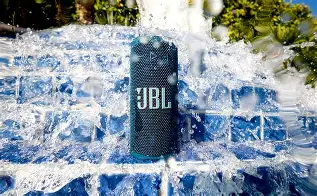
In short, the Jbl Grip is worth the price tag if the buyer values a rugged, stylish, and app-customizable portable speaker for outdoor and on-the-go use. It delivers a balanced mix of features tailored to active lifestyles, but those seeking punchy low end or built-in voice features should compare it to larger or differently equipped alternatives before deciding.