The Truth About the K68 Rgb: Pros, Cons, and Verdict
Introduction
The K68 Rgb sits in a crowded field of gaming and productivity keyboards that promise a mix of performance, durability, and flair. For many prospective buyers, the model's combination of mechanical keys, colorful lighting, and spill resistance is appealing on paper — but how does it perform in everyday use? This article takes an editorial, practical look at the K68 Rgb, examining real-world use cases, the typical expectations of buyers, and where this keyboard shines and falls short. The goal is to provide a clear, evidence-based assessment so readers can decide whether the K68 Rgb matches their needs.
Detailed Product Review and Analysis
Design and Build Quality
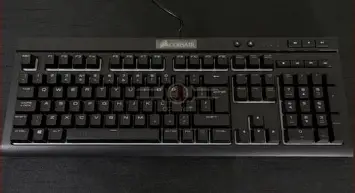
At first glance, the K68 Rgb aims for a straightforward gamer aesthetic: compact without being minimalist, a raised key profile for easier cleaning, and RGB lighting intended to be visible from most angles. The chassis blends textured plastic with a reinforced internal frame to balance rigidity and weight. For users who often move their keyboard between desks or travel occasionally to LAN events, the build is robust enough for repeated handling but not as heavy-duty as premium alloy-framed boards.
One of the K68 Rgb’s key selling points in many listings and user reviews is its resistance to spills and dust. This feature addresses a common real-world frustration: accidental liquid spills on a desk. For home users who drink coffee or tea while working or gamers who keep beverages nearby during long sessions, that extra protection can reduce the risk of keyboard failure after a mishap. It should be noted that spill resistance is not the same as full waterproofing — the keyboard is designed to handle small incidents rather than immersion.
Switches and Typing Experience
The typing and gaming experience depends heavily on the switches fitted to the keyboard. The K68 Rgb is typically offered with mechanical switches that vary by SKU — linear, tactile, or clicky options — allowing buyers to prioritize quiet typing, tactile feedback, or fast key travel. In practice, linear switches favor rapid double-taps and gaming where smooth actuation is preferred, while tactile or clicky switches appeal to typists seeking clear feedback.
Keycap material and profile also matter. The K68 Rgb often comes with standard ABS keycaps; these deliver acceptable feel and legends are usually clear under backlighting. Enthusiast buyers who prioritize long-term durability and premium texture may find ABS less satisfying than PBT keycaps, which resist shine and wear better over time.
Backlighting and Software
RGB lighting is central to the keyboard’s identity. The K68 Rgb provides configurable illumination that improves visibility in low-light environments and offers aesthetic customization for gaming setups. Customization is typically handled through the manufacturer's configuration software, which lets users select lighting profiles, assign effects to keys or zones, and sync with other peripherals from the same ecosystem.
For users who enjoy setting per-key color schemes for game bindings, visual feedback for macros, or simply matching a desk theme, the software’s depth and stability are important. In real-world usage, the software commonly delivers a good range of presets, but power users sometimes report quirks in advanced macro assignment or layering. Users who prefer plug-and-play simplicity will still find usable lighting presets preinstalled without needing to open configuration software.
Performance: Gaming and Productivity
In gaming scenarios, the K68 Rgb performs well for most mainstream titles. Mechanical switches with fast actuation and anti-ghosting capability allow simultaneous key presses without dropped inputs, which is important in competitive shooters or MMOs where multiple actions can happen in quick succession. The keyboard’s responsiveness and tactile feel generally meet the expectations of casual and many semi-competitive gamers.
Shop the latest Electronics picks on Amazon.
See Deals →For productivity tasks — writing, coding, spreadsheets — the switch choice is the deciding factor. Tactile switches that provide a clear bump can reduce typing errors and increase accuracy across long sessions. Ergonomically, the keyboard’s layout, lack of an integrated wrist rest (on many SKUs), and compact footprint may affect comfort during all-day typing; many users add a separate wrist rest for extended use.
Durability and Long-Term Use
Daily abuse such as long typing sessions, frequent keypresses, and occasional spills are the real tests of a keyboard’s staying power. The K68 Rgb is generally put together to withstand these behaviors: mechanical switches rated for tens of millions of keypresses and a spill-resistant design are meaningful durability features that reduce the chance of early failure. However, cosmetic wear on ABS keycaps and the occasional software update hiccup are things to expect if the keyboard becomes a daily workhorse.
Pros & Cons
- Pros
- Spill resistance: Practical protection for users who keep drinks near their keyboard.
- Mechanical switches: Responsive typing and gaming experience across different switch types.
- RGB lighting: Customizable illumination for aesthetics and low-light visibility.
- Good value-for-money: Often positioned as a mid-range option that balances features and price.
- Reliable performance: Low latency and anti-ghosting suitable for most gamers and typists.
- Cons
- Keycap quality: Standard ABS caps can show shine and wear faster than PBT alternatives.
- Software limitations: Advanced customization can be less intuitive or occasionally buggy for power users.
- Not fully waterproof: Spill resistance reduces risk but does not make the keyboard impervious to heavy liquid exposure.
- Lack of premium features: Missing high-end extras like a metal volume wheel, detachable cable, or premium casing on some configurations.
- Ergonomics: No integrated wrist rest on many models; extended typing may require an accessory.
Comparison: How the K68 Rgb Stacks Up
The following table compares the K68 Rgb to two common alternatives that buyers often consider: a higher-end full-featured mechanical RGB keyboard and a budget RGB membrane keyboard. This comparison highlights typical trade-offs rather than every technical detail.
| Feature | K68 Rgb (Mid-range) | High-end Mechanical (Premium) | Budget RGB (Value) |
|---|